
What Should I Do About Water In My Crawlspace?
In a crawlspace with water intrusion, the source of water needs to be addressed before making any other repairs. Here are a few ways to identify the water source:
Roof Water Management:
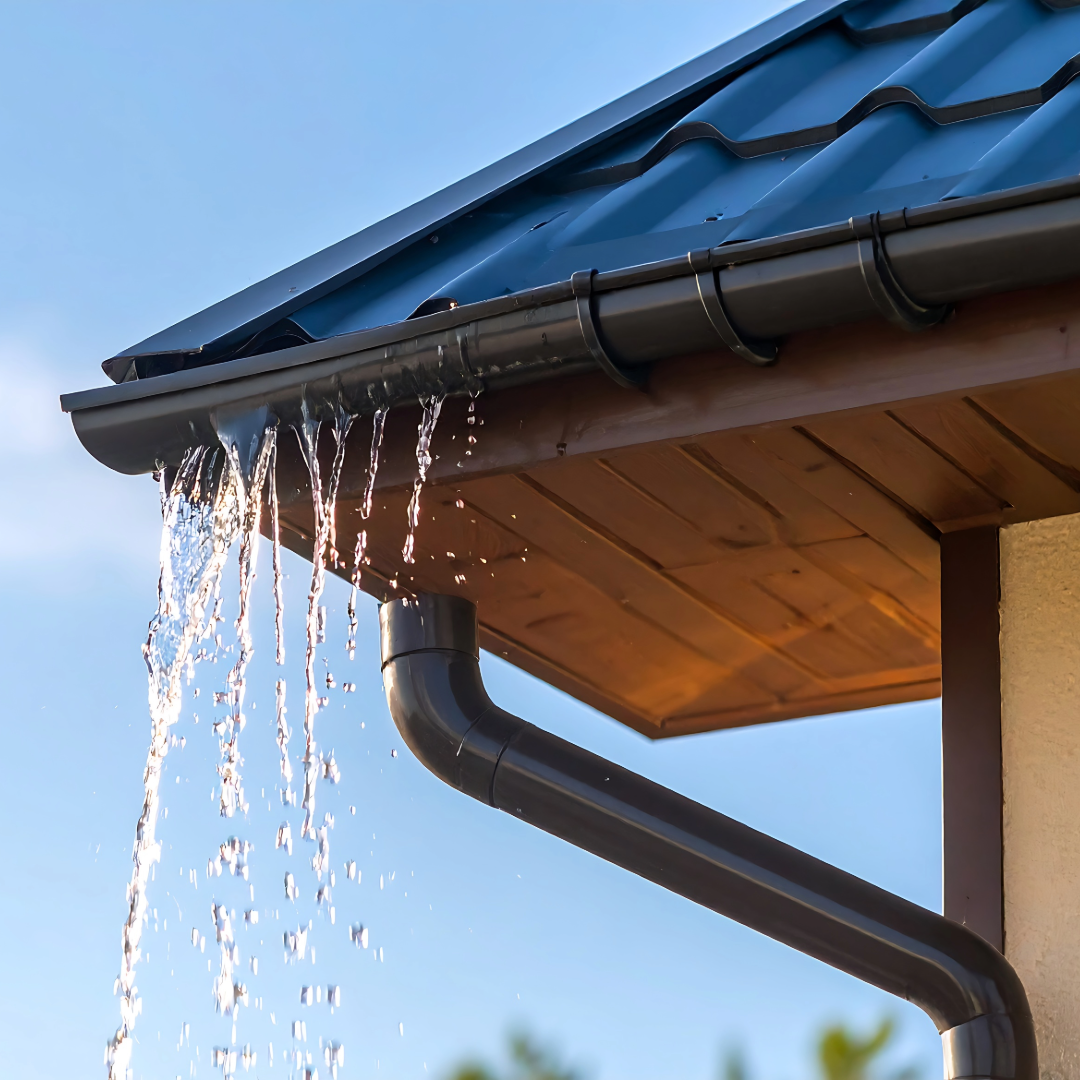
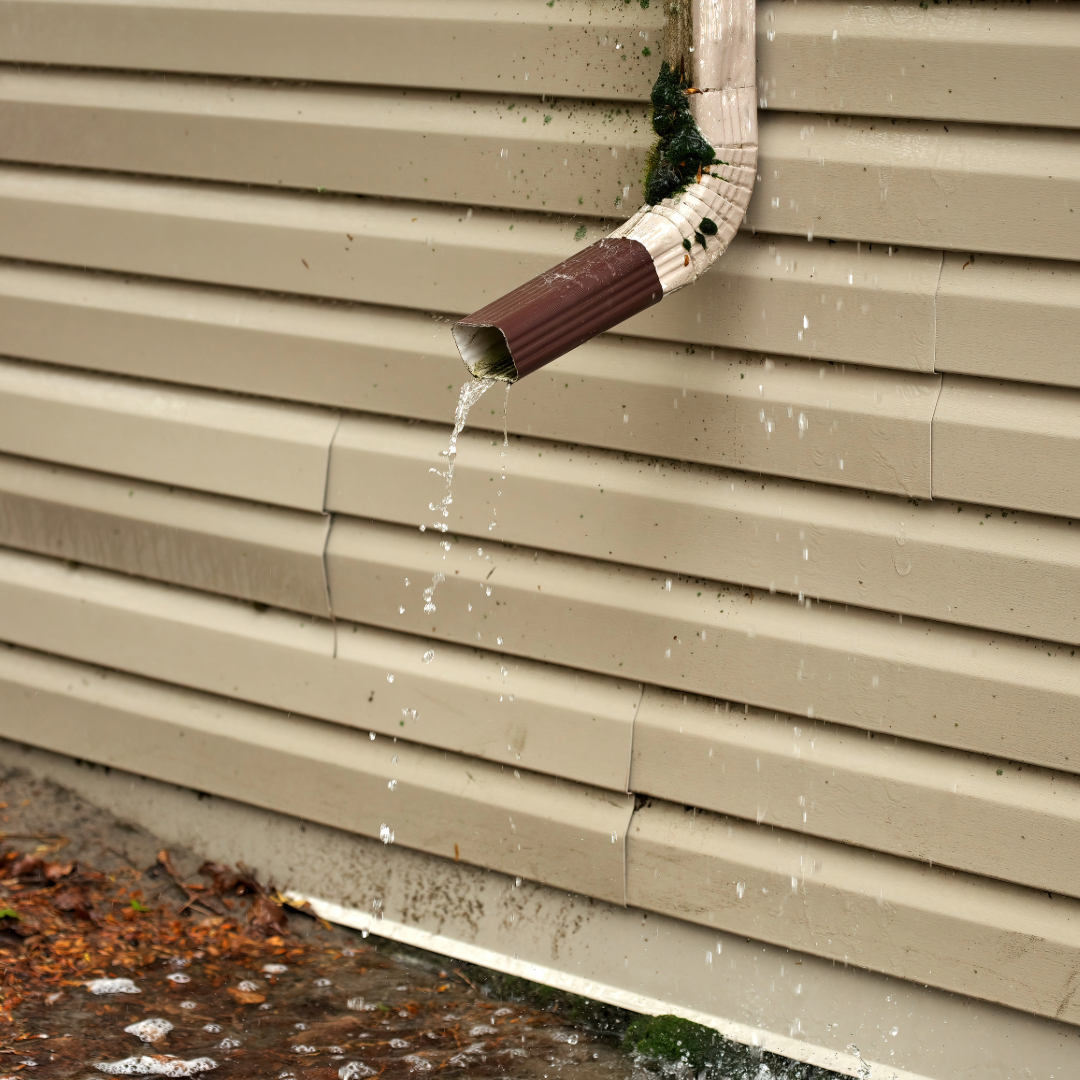
The best time to inspect outside the home is during a heavy rain. Look for any areas around the home where water may be overflowing clogged or damaged gutters. Look for any seams on the downspouts that may not be fully connected and are leaking. Take note of any downspouts that are depositing water near the foundation. If the home does not have gutters, you may want to speak with a crawlspace inspector about the current condition of the crawlspace. If there is not significant fungi or elevated wood moisture content, you may need to prioritize having gutters installed first, if addressing both is not financially feasible. If you do not feel comfortable repairing your gutters, look for a reputable and insured gutter contractor. For gutters that are discharging water near the foundation of the home, consider either above ground or buried gutter downspout extensions to direct this water away. This can often be done by a landscaping or crawlspace contractor as well.
Ground Water Management:
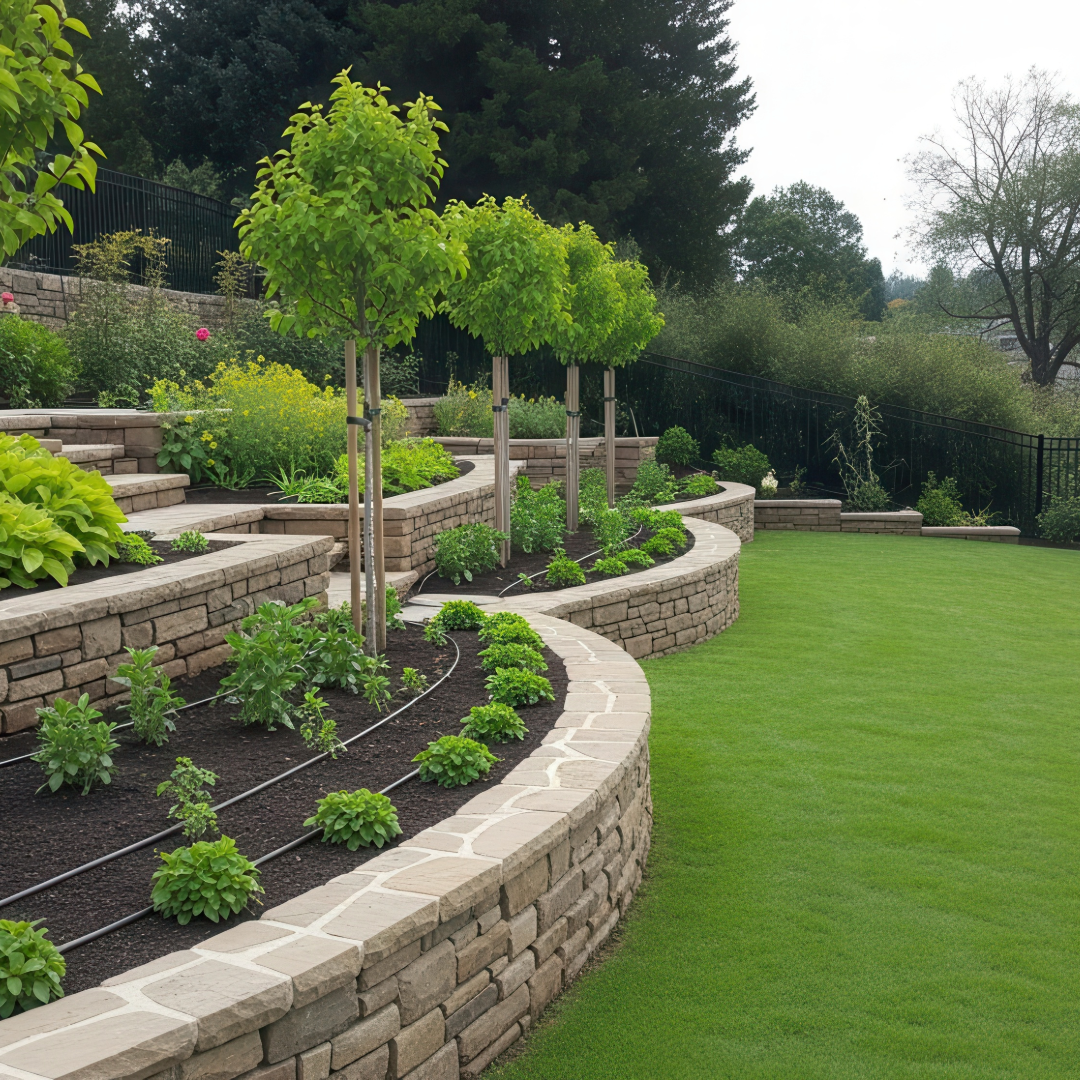
On the outside of the home, look for anywhere the grade of your yard directs water towards the home. This can be addressed with exterior french drains or more extensive drainage systems. The main goal is to keep excessive ground water from reaching the foundation. For severe grades, terracing and retaining walls with drainage may be needed. A grading or landscaping contractor is recommended for these situations, as they can obtain any required permits and warranty their systems. If making any major changes on the outside of the home, be sure to reinspect the crawl space during heavy rains to ensure you no longer have water intrusion.
Inside the Crawlspace:
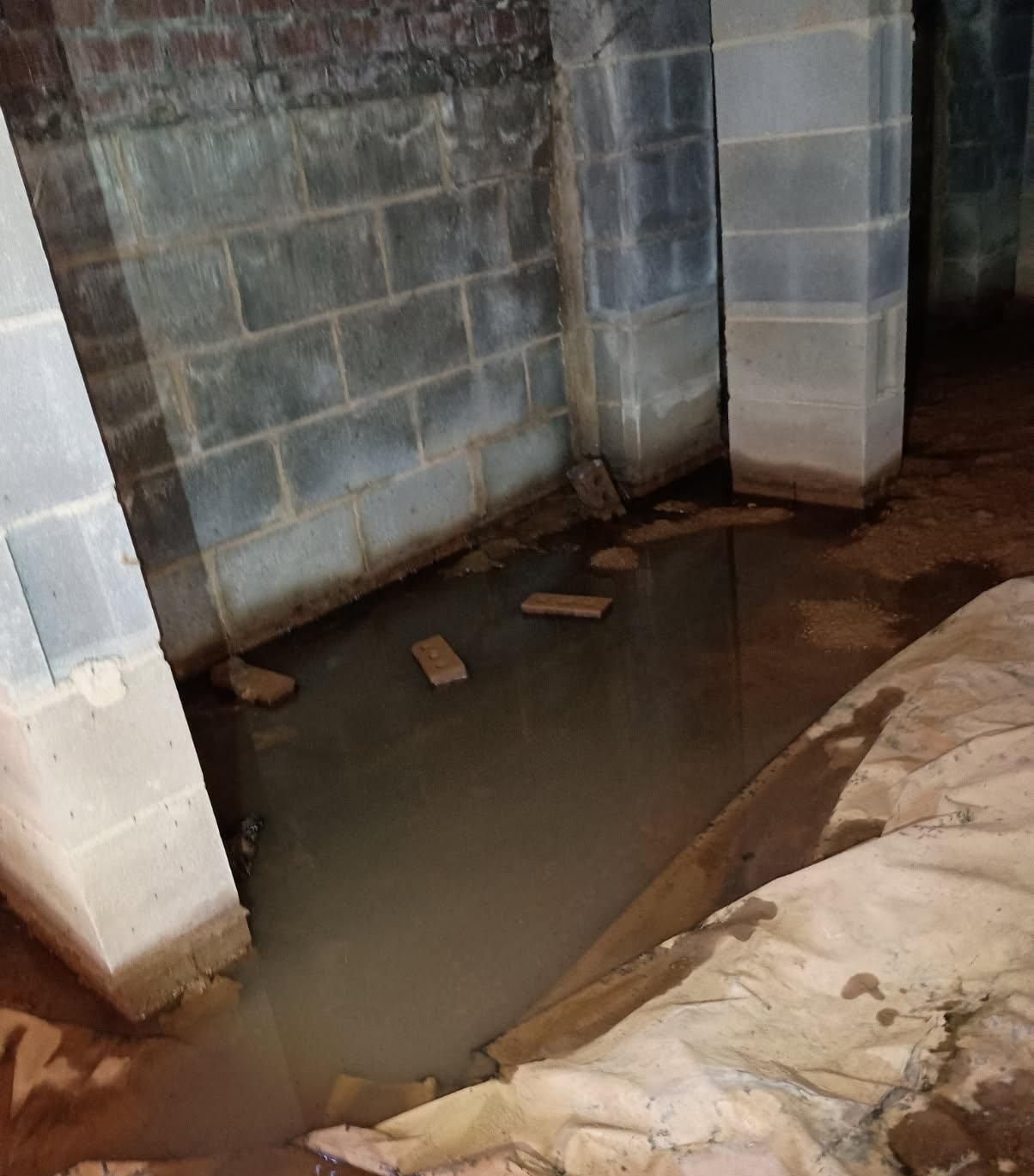
It is common to still experience water intrusion in the crawlspace, even after repairing gutters or installing exterior drainage. This is due to the nature of water and the drawbacks of below grade foundations. Over time, settling of the home can cause gaps and cracks to form in the foundation wall, creating easy access points for water. Water will follow the least path of resistance. If there are already routes in place, you may still experience water intrusion, but hopefully at a much lower volume. Additionally, the materials that form your foundation wall are porous. They allow water to pass through and when part of this wall is below ground, it is easy for water to bleed through the brick or concrete, especially in heavily saturated areas.
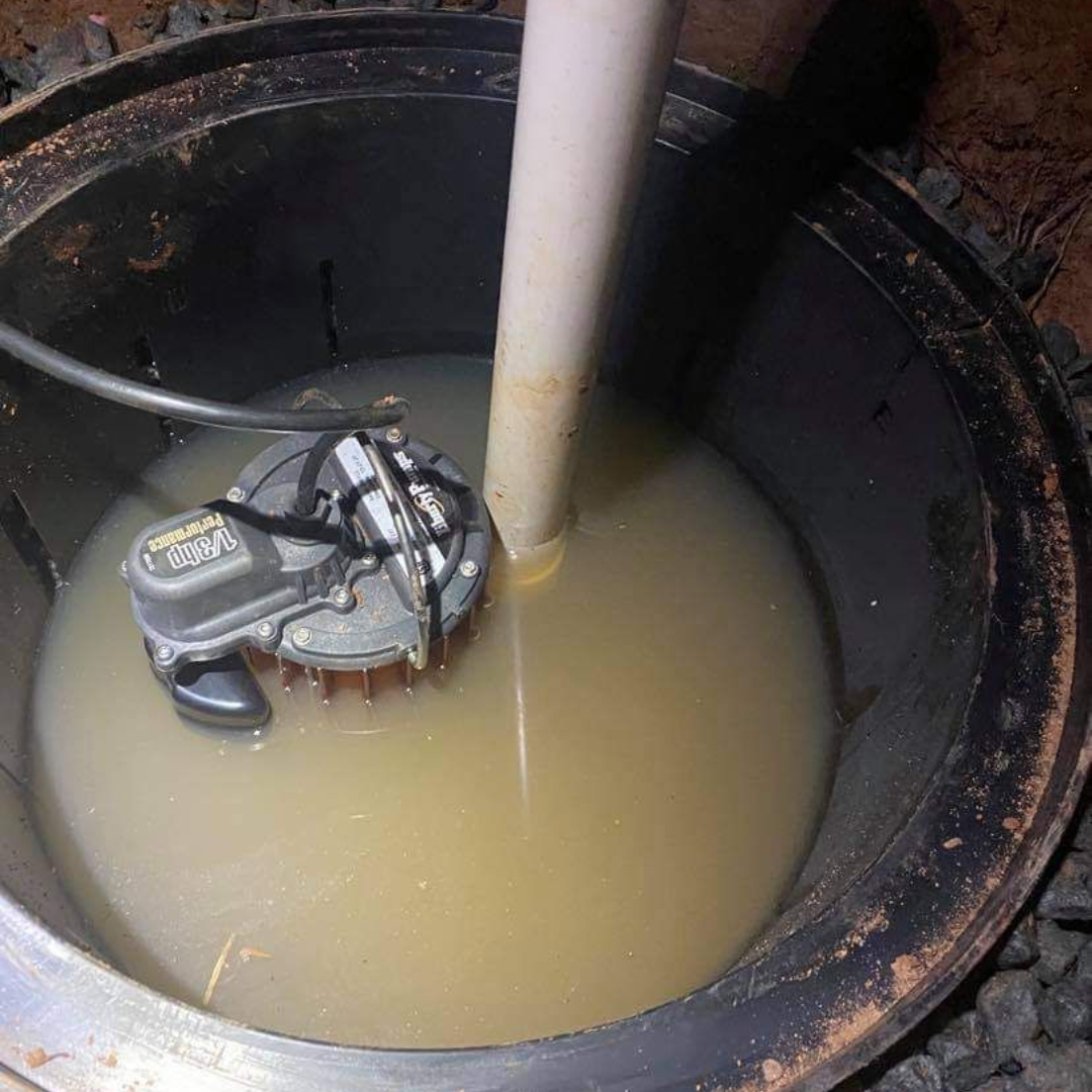
Water Collected in Basin of an Interior French Drain
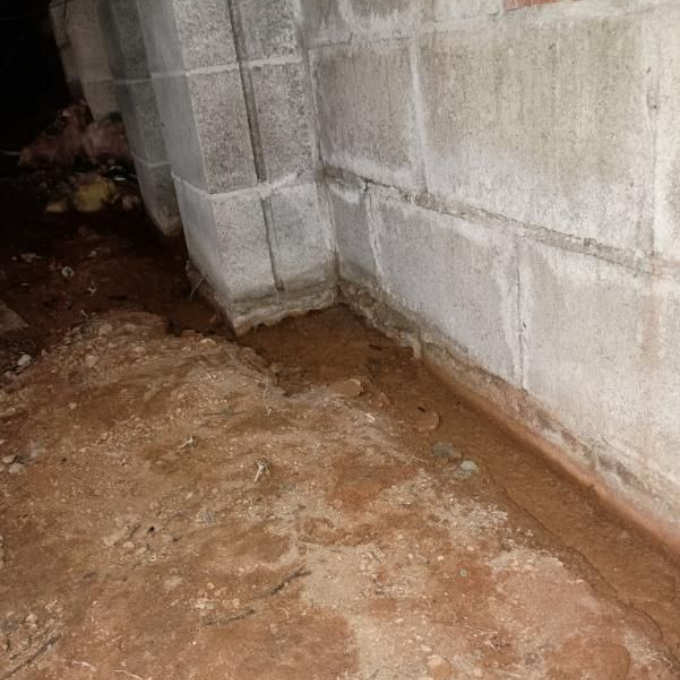
Erosion along Foundation Wall
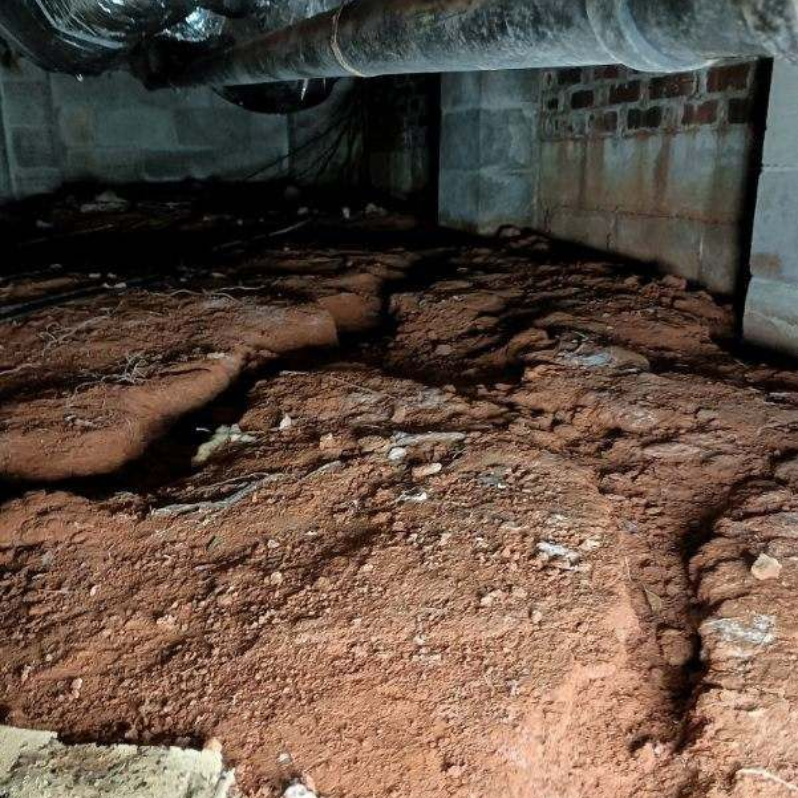
Erosion through Crawlspace
Interior French Drain:
The industry standard for water intrusion in a crawlspace is an interior French drain. Some newer construction crawlspaces have exterior tile drains and foundation waterproofing, similar to a basement, which help tremendously to prevent water intrusion. Over time, these tile drains can accumulate silt and sediment and lose functionality. Settling can also occur naturally, leading to new entry points in the foundation wall. For this reason, a French drain can be installed as a primary solution or as a backup for record rains, such as with Hurricane Helene.
An interior French drain is a channel carved in the clay soil around the full perimeter of the crawlspace. It is installed approximately 12 to 18 inches off of the foundation wall and is 8 to 10 inches deep. A drainage pipe with filtration media or gravel is then placed in the trench. At the lowest point of the drain, a sump pump and basin surrounded by gravel is installed to collect and discharge the water away from the foundation. This is not a tile drain, as it is not at the level of the footer. It acts as a surface drain in the crawlspace. If your crawlspace already has severe erosion, a deeper drainage system or foundation waterproofing may be needed.
A common mistake in DIY solutions is to place the drain directly beside the foundation wall. This means that all water captured will be constantly moving directly beside the foundation which can lead to erosion and settling around footers. Another common mistake is using the valley or ditch left beside the foundation wall as a drain. Sometimes after the footer is poured and foundation walls are erected, the wall is not properly backfilled, leaving a trench directly beside the foundation. During drain installation, this area is backfilled with clay or soil from the new trench to ensure water is not sitting in these low lying areas.
Sump pumps and basins should be inspected regularly to ensure the pump is functioning properly and to remove any buildup of silt or sediment in the basin. Any large pieces of dirt or clay should be cleaned out so they do not clog the sump pump. Every sump basin should have its own filtration sleeve and adequate gravel rock surrounding it to protect your sump pump.