
Do I Need to Replace My Moisture Barrier?
How Often Should I Replace My Moisture Barrier?
This is a question often asked by homeowners. The short answer is that a high quality moisture barrier should never need replacement. If the barrier you have in place is a quality material, it will not delaminate or break down over time. Here are a few signs that your barrier may need replacement:
Delaminating / Poor Coverage:
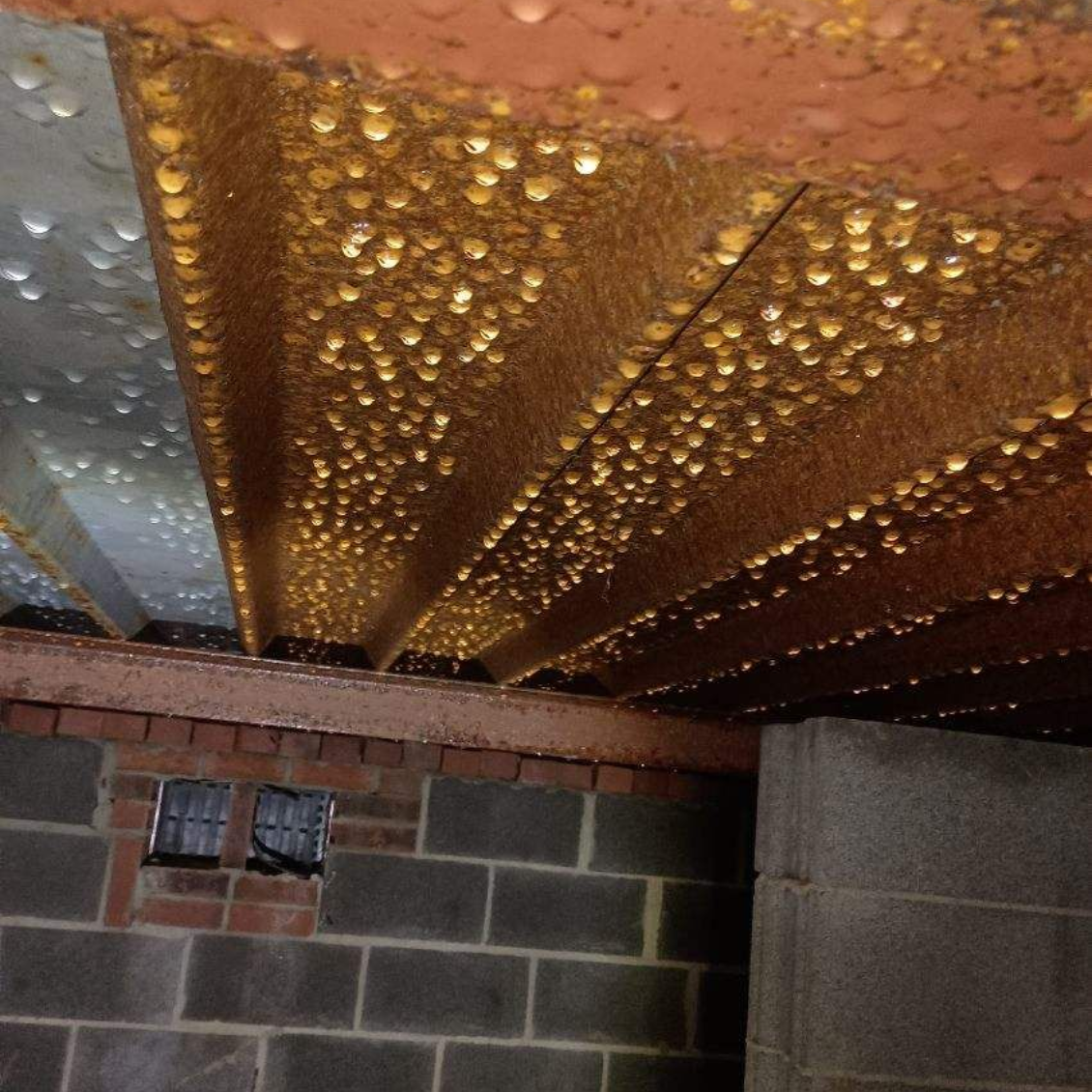
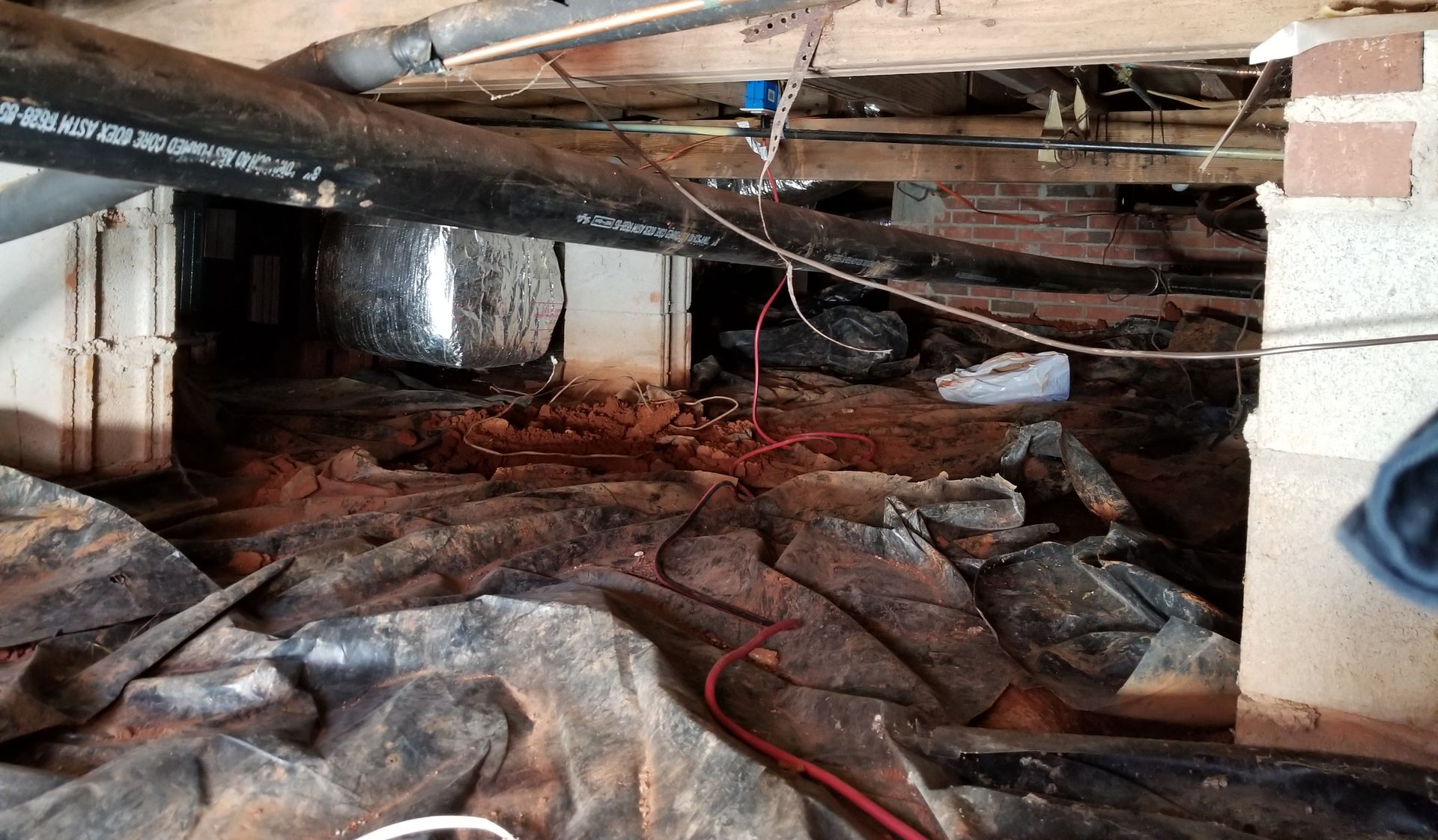
If your current barrier is showing signs of decay or flaking, it may need replacement before it continues to degrade. If there is any visible dirt in your crawlspace, an inspector would say that the barrier has insufficient ground coverage. This simply means that there are areas where the ground is not completely covered by plastic. This causes issues more in the summer months where temperatures rise and cause water naturally occurring in the soil to evaporate. This water vapor floating around in your crawlspace gets absorbed by any porous material nearby. That could be fiberglass insulation, which can then sag and fall down. It could be absorbed by the wood substructure and cause the wood moisture content to rise above safe ranges. It can cause water damage to anything stored under the home. It can also contribute to higher humidity in the crawlspace, causing fungi growth on wood or paper insulation backing. A moisture barrier with full coverage that is correctly overlapped and staked down will help to slow down this process. During the summer months (or year round if you have a higher water table) you can pull back the edge of your moisture barrier and see water droplets covering the ground side of the plastic. This is from water evaporating and condensing under the barrier. If you are seeing condensation forming on the foundation wall, piers, wood or other surfaces, you will need to consider other solutions beyond a moisture barrier.
NOTE ON GROUND COVERAGE: If your crawlspace has an interior French drain in place, it may be exposed, at least on the sides of the home where water is entering. If you see that your crawlspace has a moisture barrier over all areas, except over your drain that is okay. Water that is entering the crawlspace must be able to enter the drain. If the drain is covered by the barrier, it is possible for water to run directly on top of the barrier, move across the crawlspace and pool in other areas.

Animals & Pests:
If animals or pests are able to access the crawlspace, they are likely leaving behind urine or fecal matter on your barrier (and in your insulation). If this is the case, locate and seal off any access points for pests. Take a careful look at any openings near your HVAC unit that may require metal flashing to be added, as well as around any openings in the foundation wall for pipes and wires. Examine any crawlspace doors for gaps or holes the width of your pinky or larger. These should be corrected to prevent rodent access. Once you have ensured there are no more access points, or you have had a crawlspace contractor complete a rodent exclusion, you may consider replacing the barrier depending on how heavily it is soiled. Any bacteria and contaminants from animal waste can be picked up into the air through the home's natural ventilation process, known as the stack effect, and enter the living space above. This same principle is what makes fungi in the crawlspace a concern in the home above.
Water Intrusion:
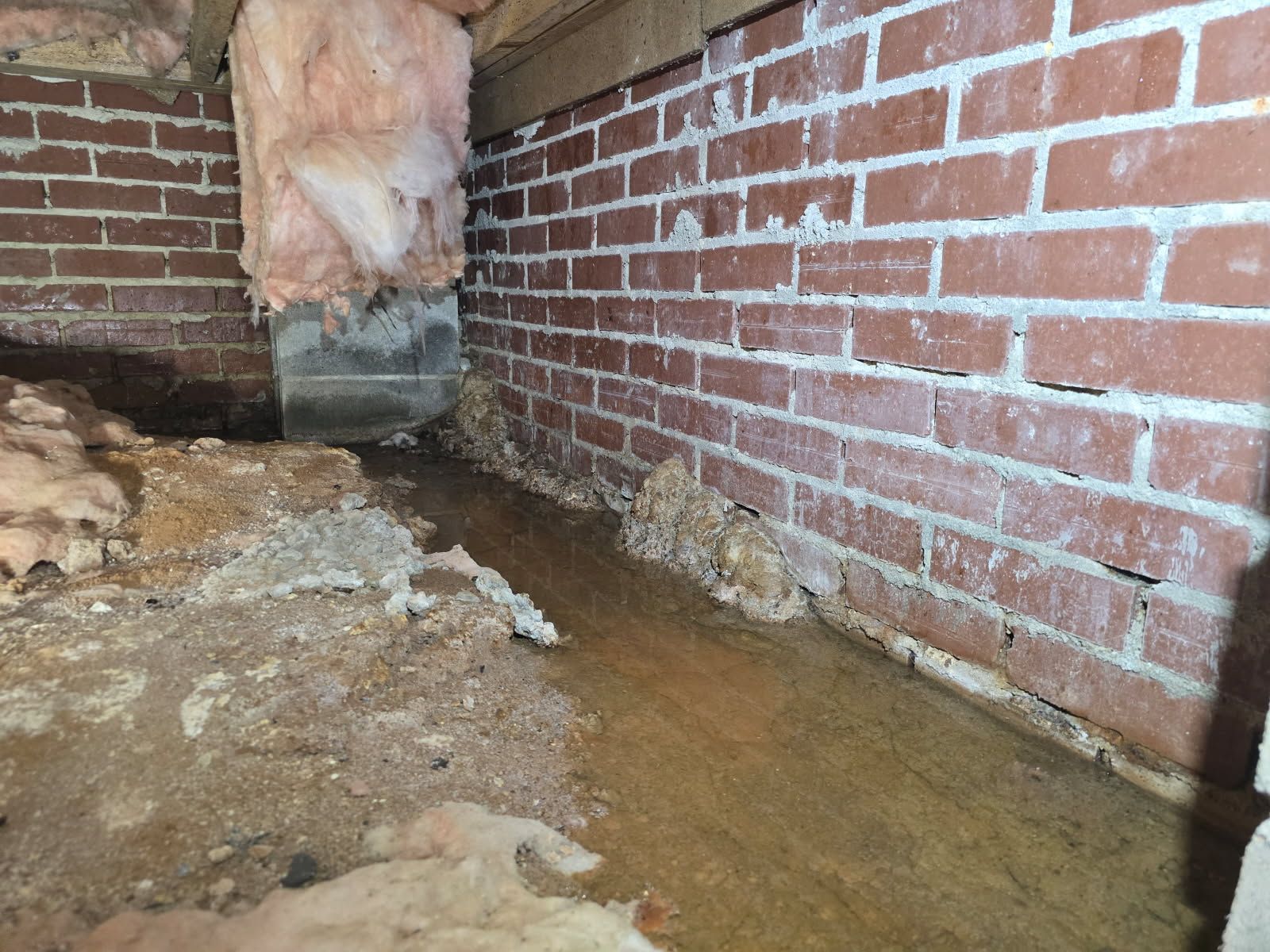
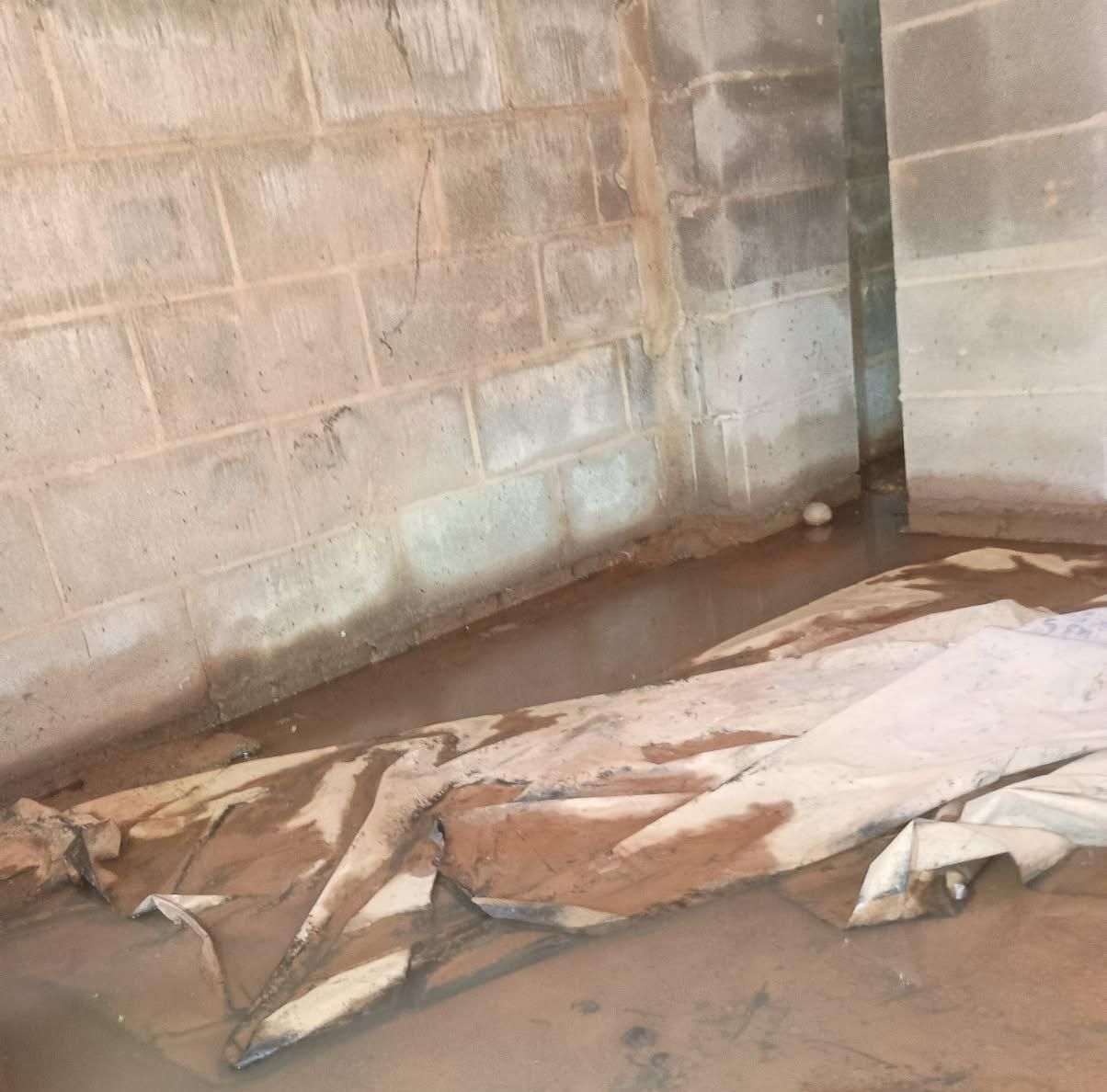
In a crawlspace with water intrusion, the source of water needs to be addressed before making any adjustments to the moisture barrier. If the barrier currently in place has adequate ground coverage, it is likely that water is coming in over top of the liner and puddling in low lying areas. Since the water is on top of the liner, it will evaporate during warmer months and be absorbed into the wood and insulation above, leading to moisture damage. For troubleshooting water intrusion, see our article, “What Should I Do About Water in my Crawlspace?”.
Once the water is addressed, you may want to clean or replace your barrier if it is heavily soiled by silt or debris. A barrier covered in water will only continue to contribute to a moisture issue, and will need to be replaced.
Minimal Debris
Some Dirt & Debris
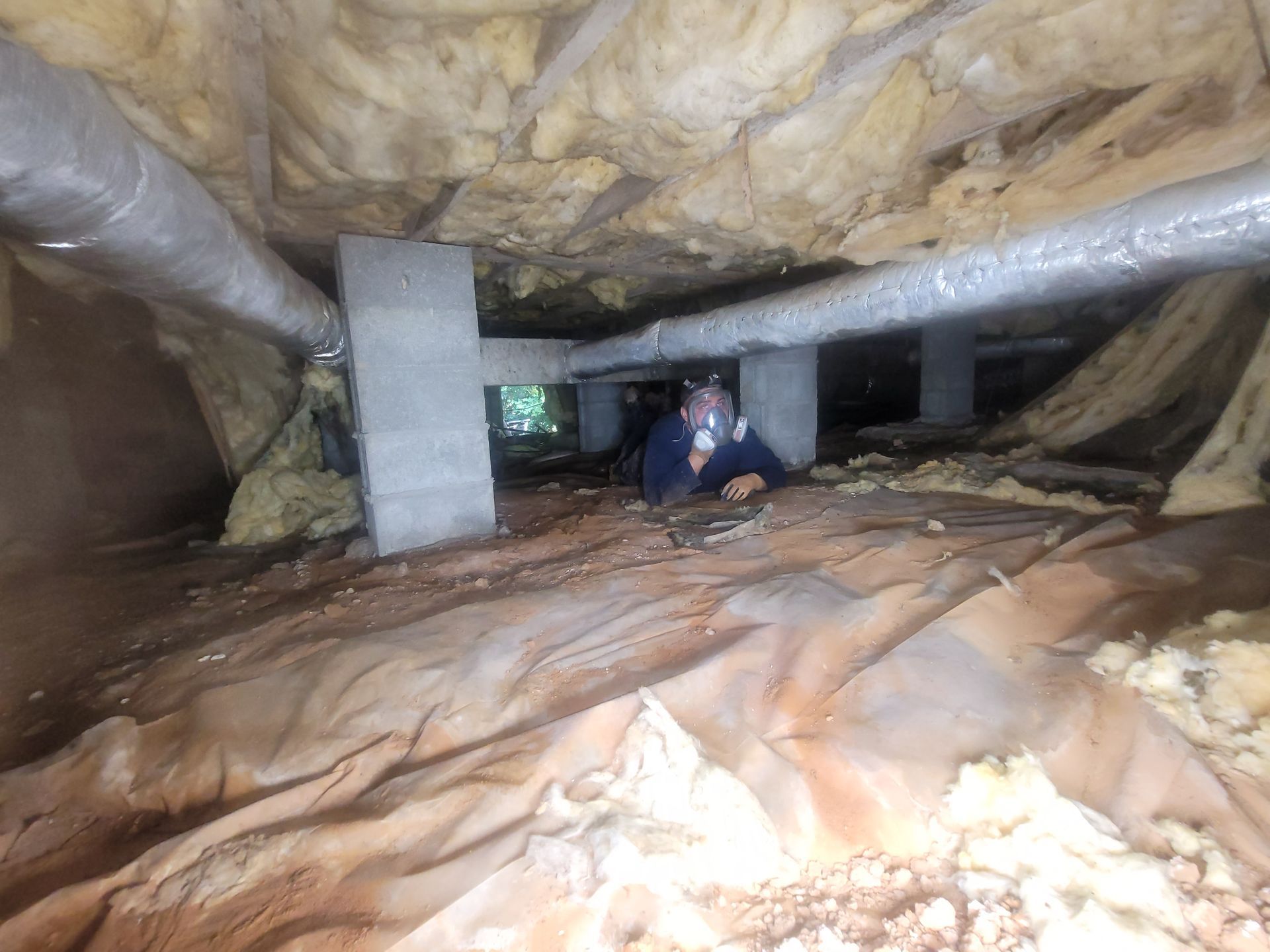
Heavy Debris & Moisture
Dirt & Debris:
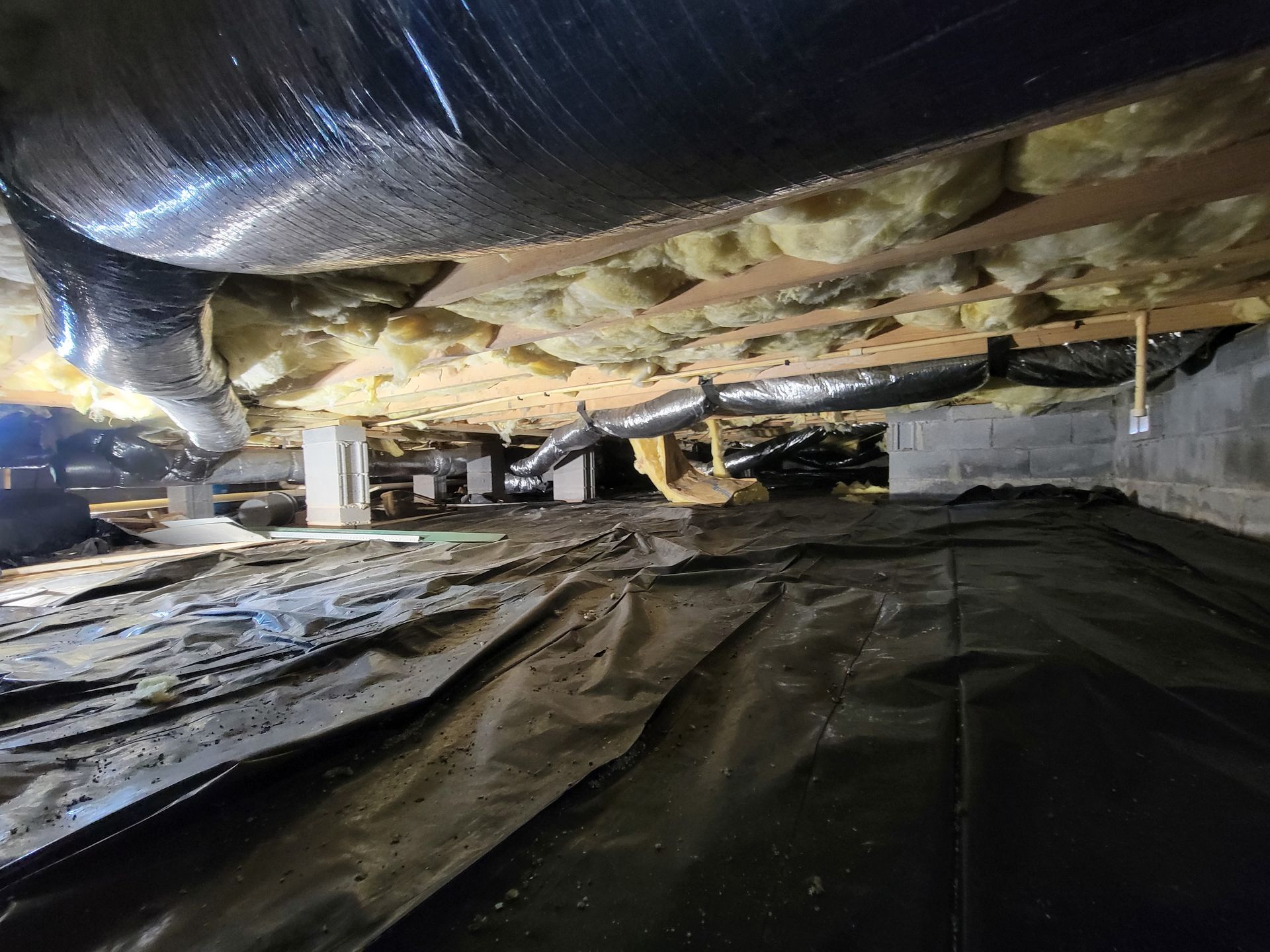
For a crawlspace barrier with minimal dirt and debris and good ground coverage, there is not much benefit to replacing it. If you have an adequate barrier but are still experiencing high humidity, elevated wood moisture content, or fungi growth, a different solution may be needed. For more information on humidity control systems, check out our Encapsulations page.
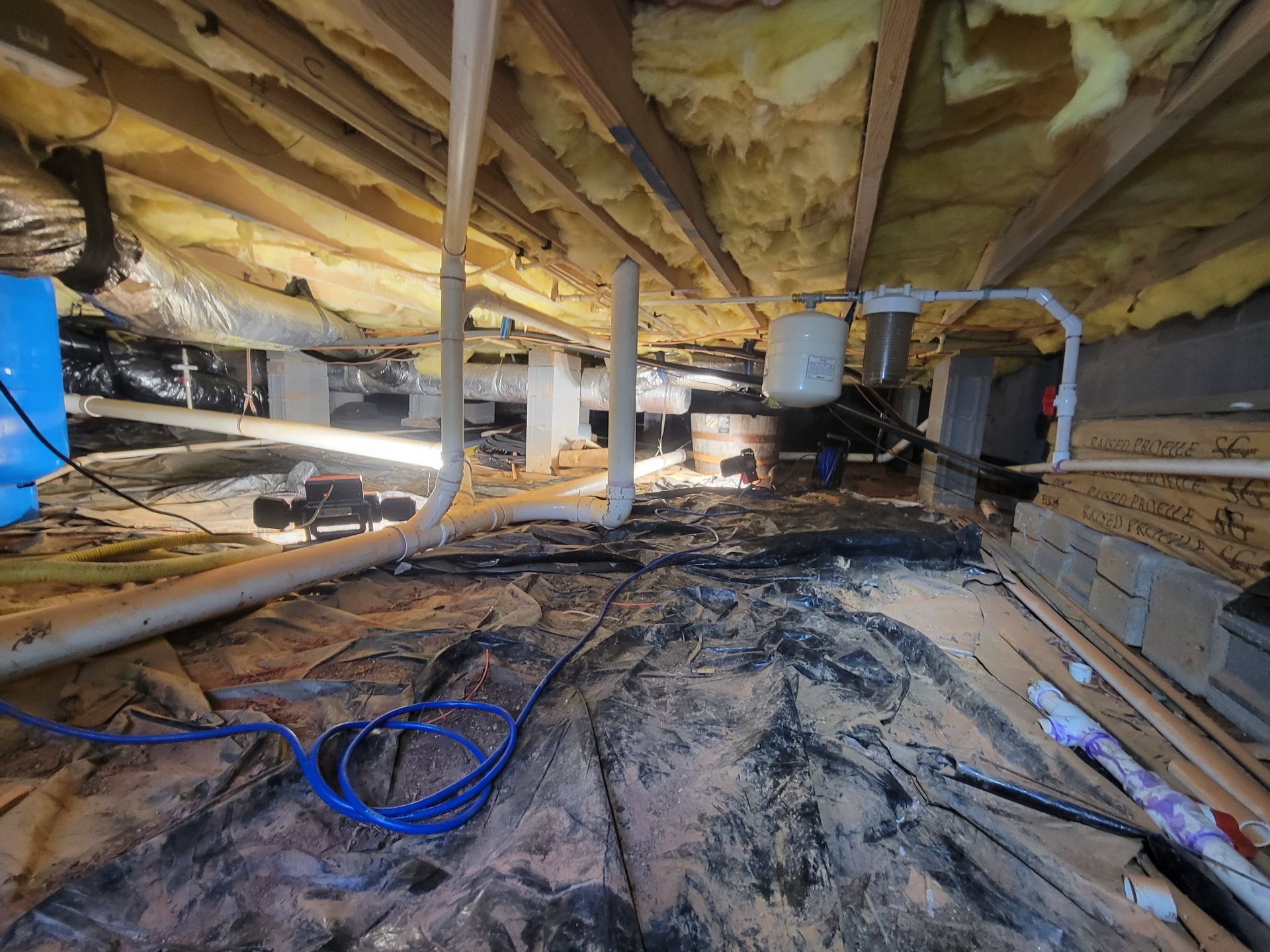
For a barrier with some dirt and debris, but no major animal infestations or waste, you may not need to make any changes. You can have the debris or trash cleaned out and may be able to clear out some dirt with an electric leaf blower by directing it towards the door then removing any left with a shop vac. Note that even after cleaning, the barrier may still have some staining. Please remember never to use a gas powered tool under your home without proper ventilation in place.
For a barrier with heavy dirt and debris, animal waste or major rips, tears, or delamination, it is recommended to clean out the current barrier and replace it. New barriers should be staked down to prevent shifting and keep proper ground coverage.