
Is My Crawlspace Insulation Working?
Is my insulation working?
This is a question we are often asked by homeowners who have lived in their homes for ten or more years and have begun to notice issues associated with old insulation. You may notice your energy bills increasing or your floors getting colder in the winter than they used to. You may notice a musty or damp odor in parts of your home that were not there before. Here are a few indicators that your insulation may no longer be performing as intended.
Wet Insulation:
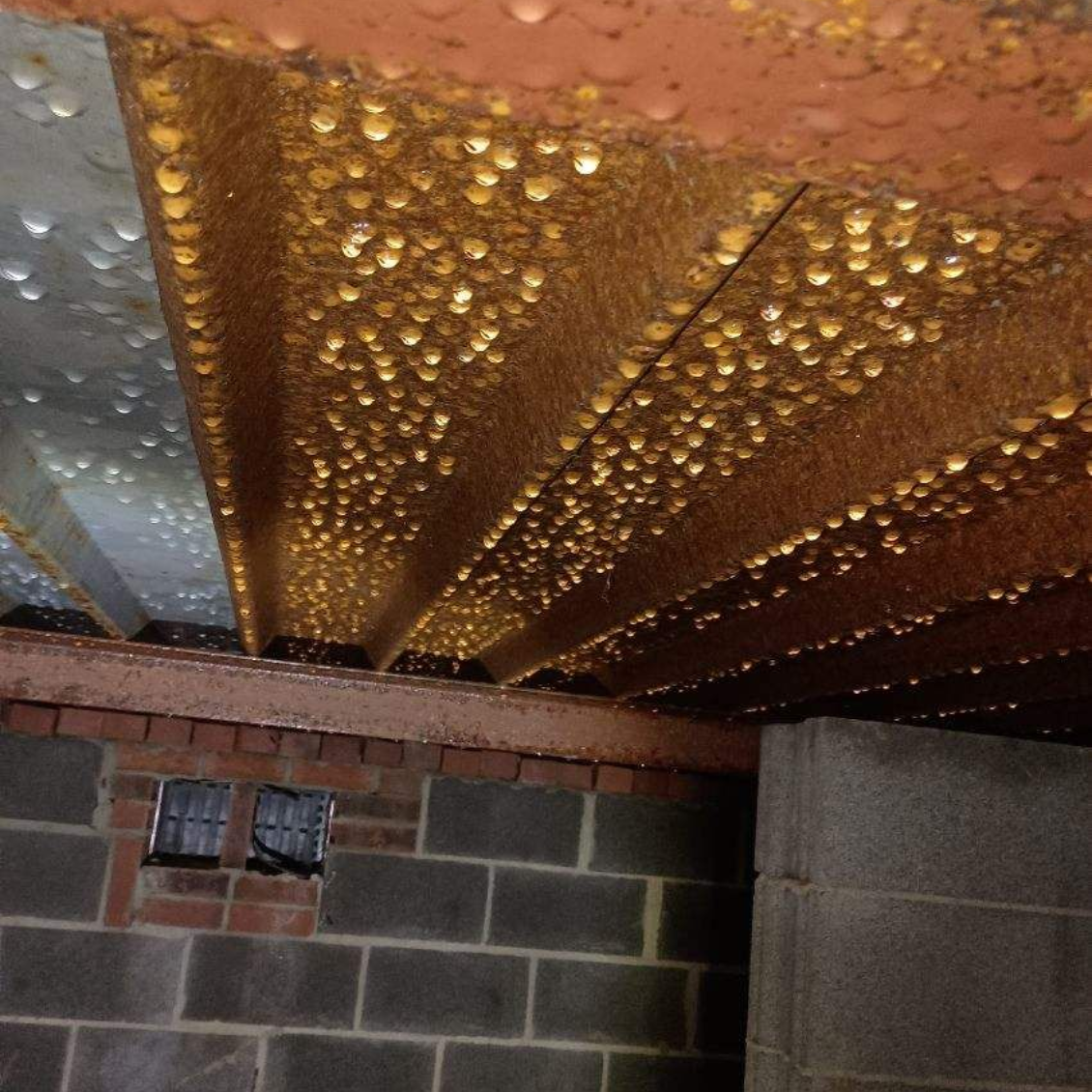
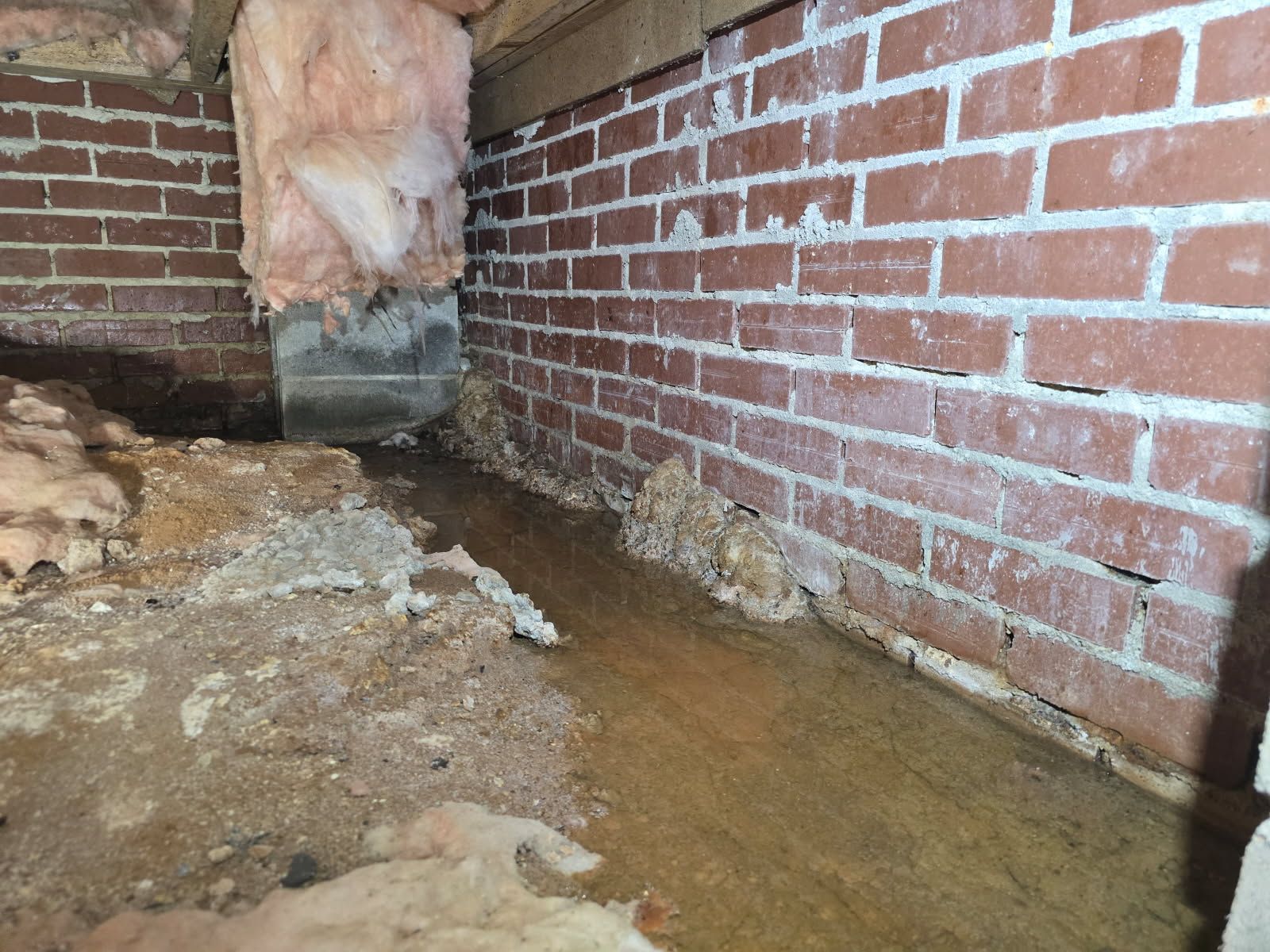
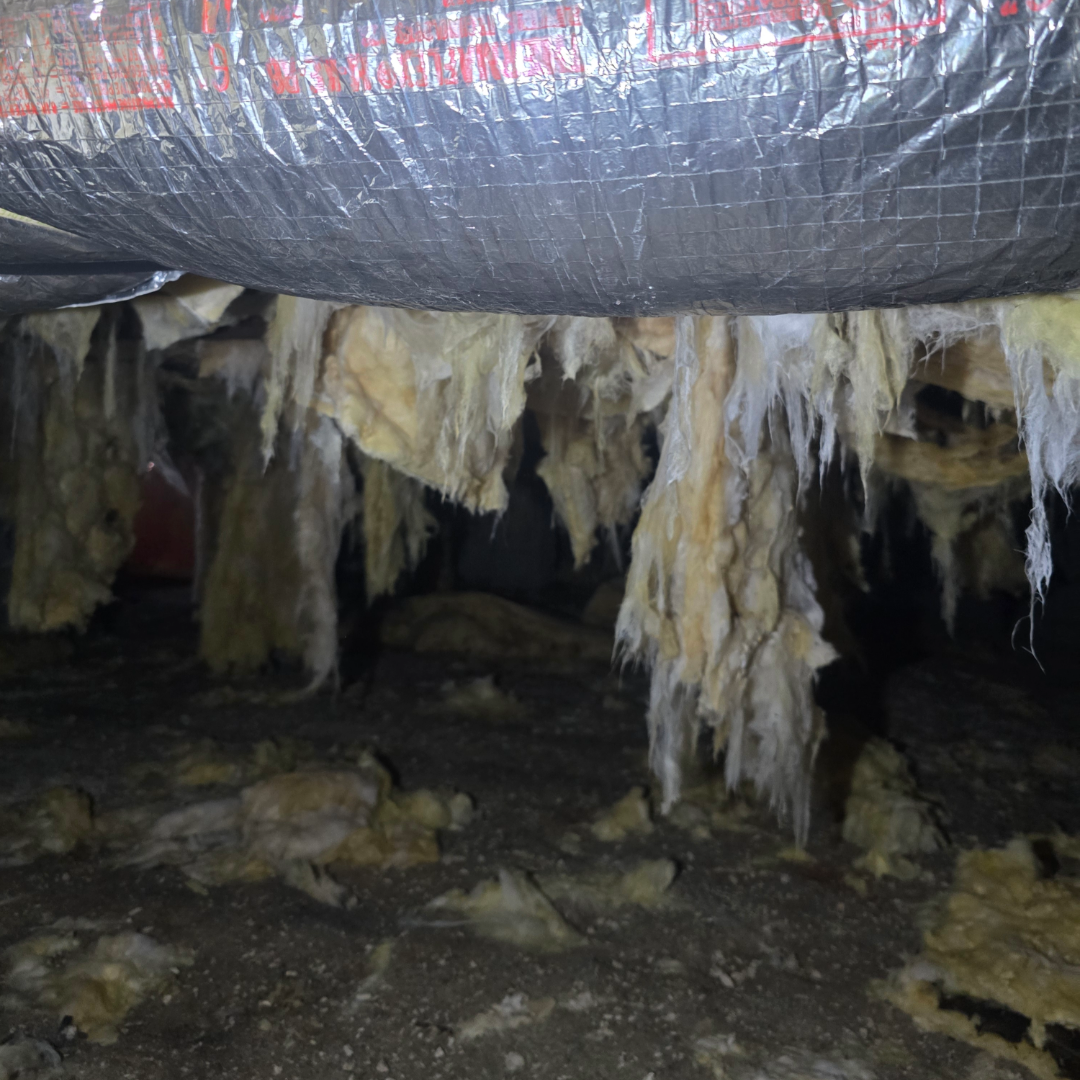
If you look under your home and notice that the insulation is very stringy, or hanging down in areas, the insulation may be wet or saturated. Your crawlspace likely has vents around the foundation of the home that allow air to flow under the house and are intended to keep the crawlspace area dry. Since South Carolina has relatively high humidity in the summer, there are several months throughout the year that your crawlspace is being ventilated with very damp air. This can cause the humidity in the crawlspace to build up over time. Fiberglass insulation is notorious for absorbing this water vapor. This causes it to have the stringy rope-like appearance where the fibers begin to separate and fall apart. It can also become heavy enough that entire pieces of insulation begin to fall down from between the floor joists. If you look under your home and see insulation laying on the ground throughout the crawlspace, this is the likely culprit. Of course water can also be introduced into the crawlspace through ground water intrusion or a leaking pipe. If your insulation problem is isolated to one area or corner this may be the case. A thorough inspection of the crawlspace is often needed to positively identify the cause. If the insulation is saturated or wet, it will need replacement. Once fiberglass insulation is saturated, it loses its insulating properties. If it is still in between the floor joists, it is causing more harm than good, as it is holding water against the wood structure of the home.
Moldy Insulation:
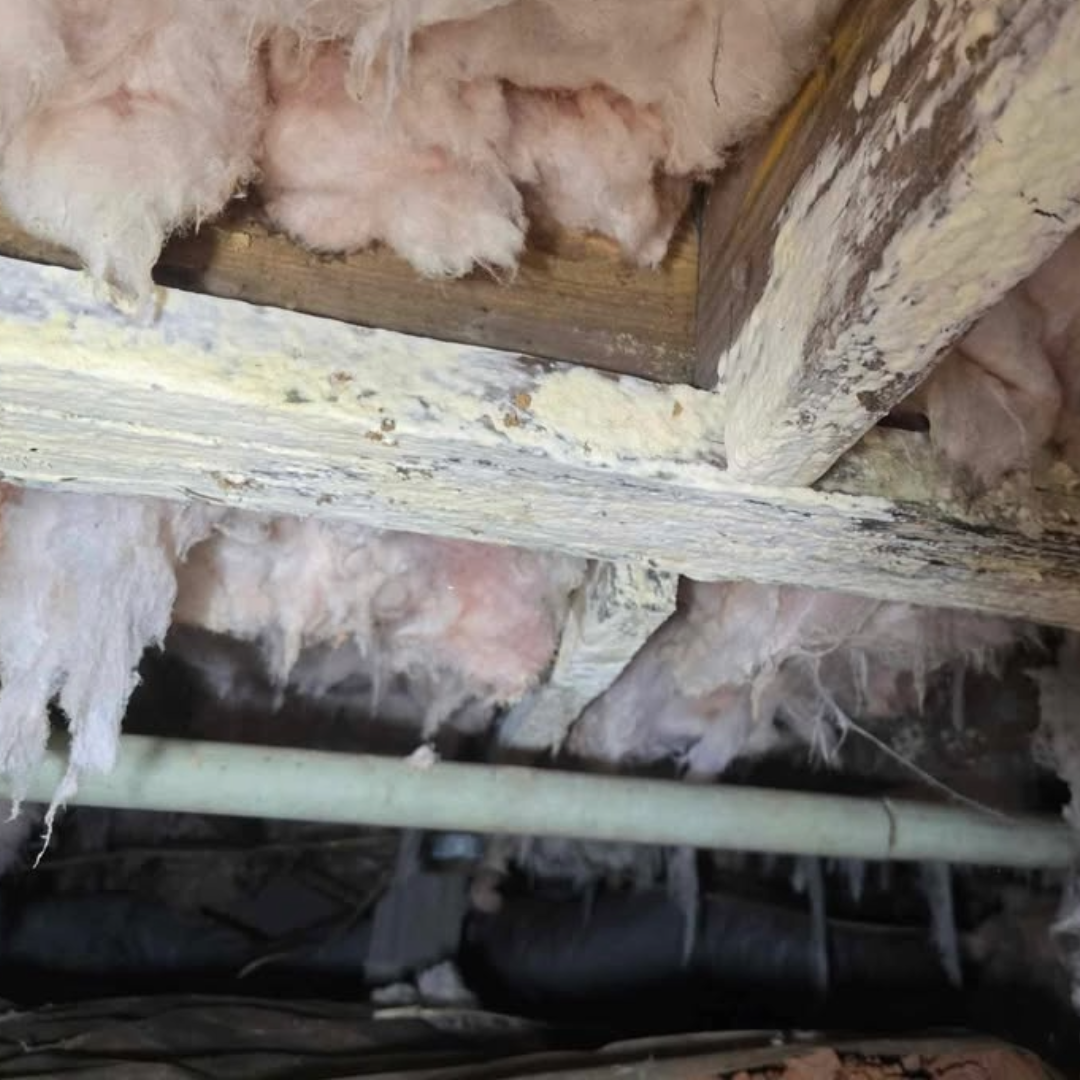
Wet insulation holds water against the floor joists, which can lead to fungi growth on the wood structure. The paper backing of fiberglass insulation is also a common surface for fungi to grow if there is excessive moisture present. During fungi remediation, porous materials such as insulation should always be removed and discarded. Only porous structural materials (such as wood or concrete) should be cleaned and left in place if they are structurally sound. Methods of fungi remediation that involve misting or fogging, that leave moldy insulation in your home are greatly discouraged.
Pests & Waste:
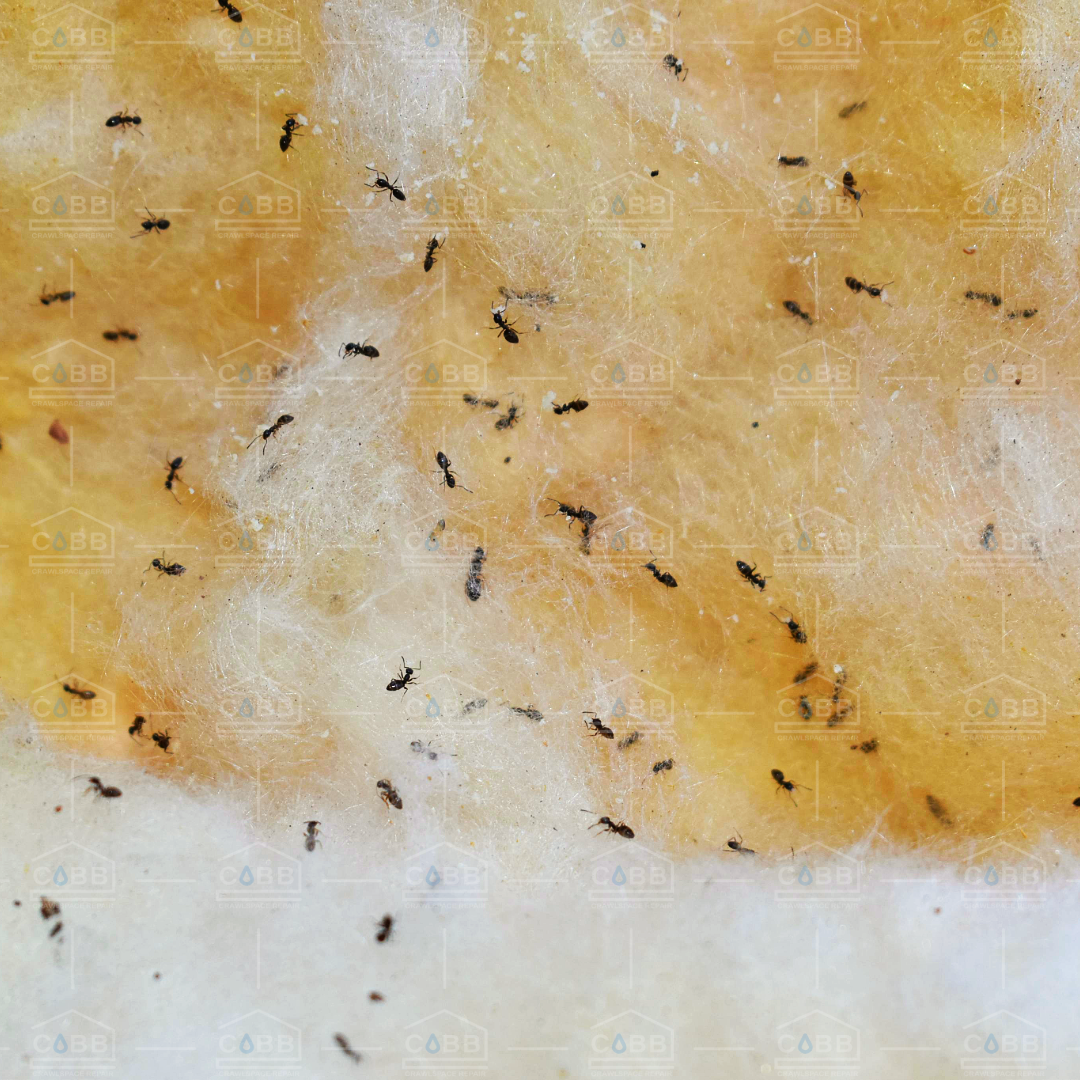
Another common reason for replacing insulation is pest activity and waste. Homes that have experienced rodent activity may have insulation that is harboring rodent urine or feces. This can produce an odor that at times can be observed in the home above or at the entrance to the crawlspace, depending on severity. If you choose to remove insulation that has been infested by rodents yourself, ensure that you have all proper protective equipment. A full face respirator and coveralls are highly encouraged for removing insulation with pest waste as droppings can fall onto your face and into your eyes, ears, nose or mouth. Limited space makes this more difficult as well.
Efficiency
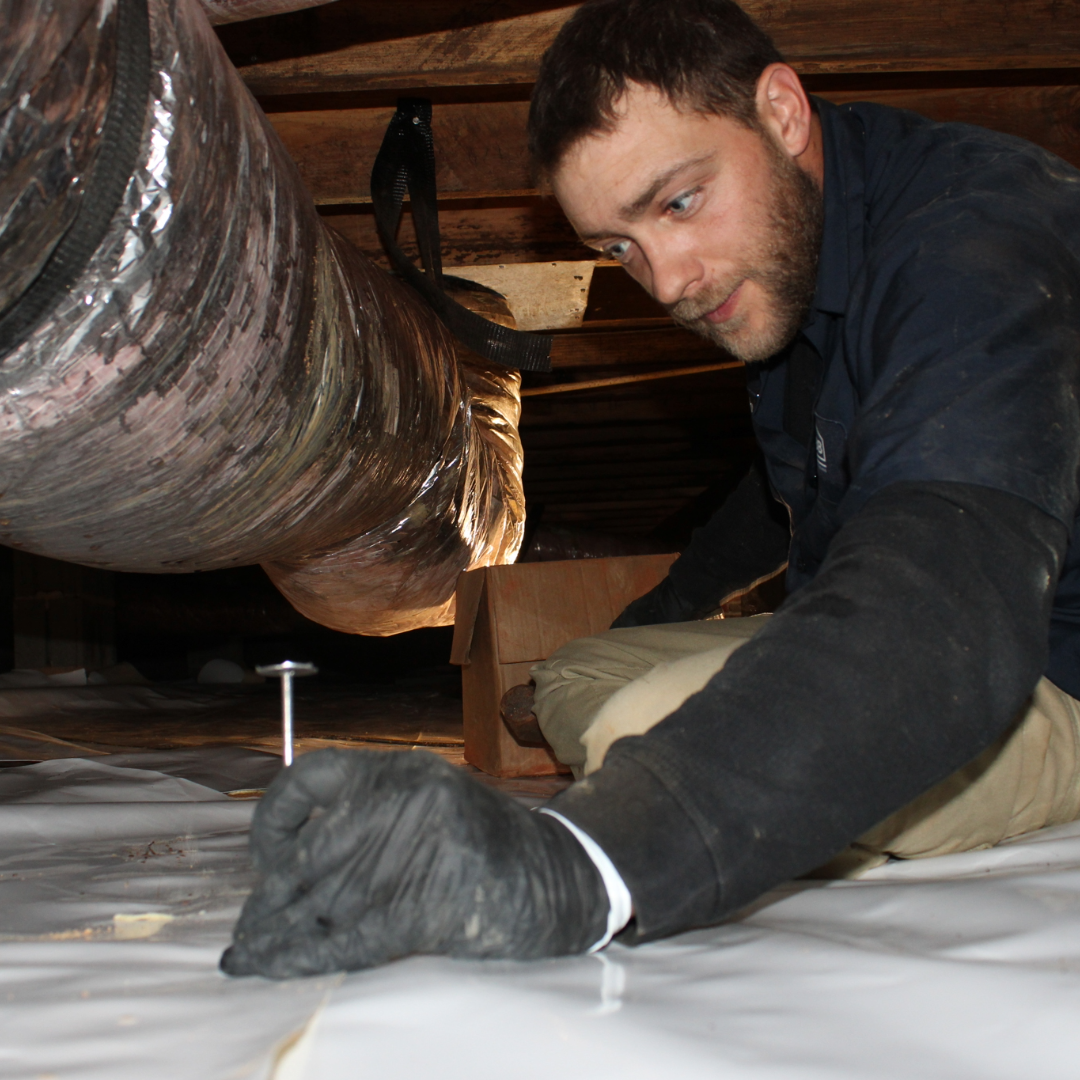
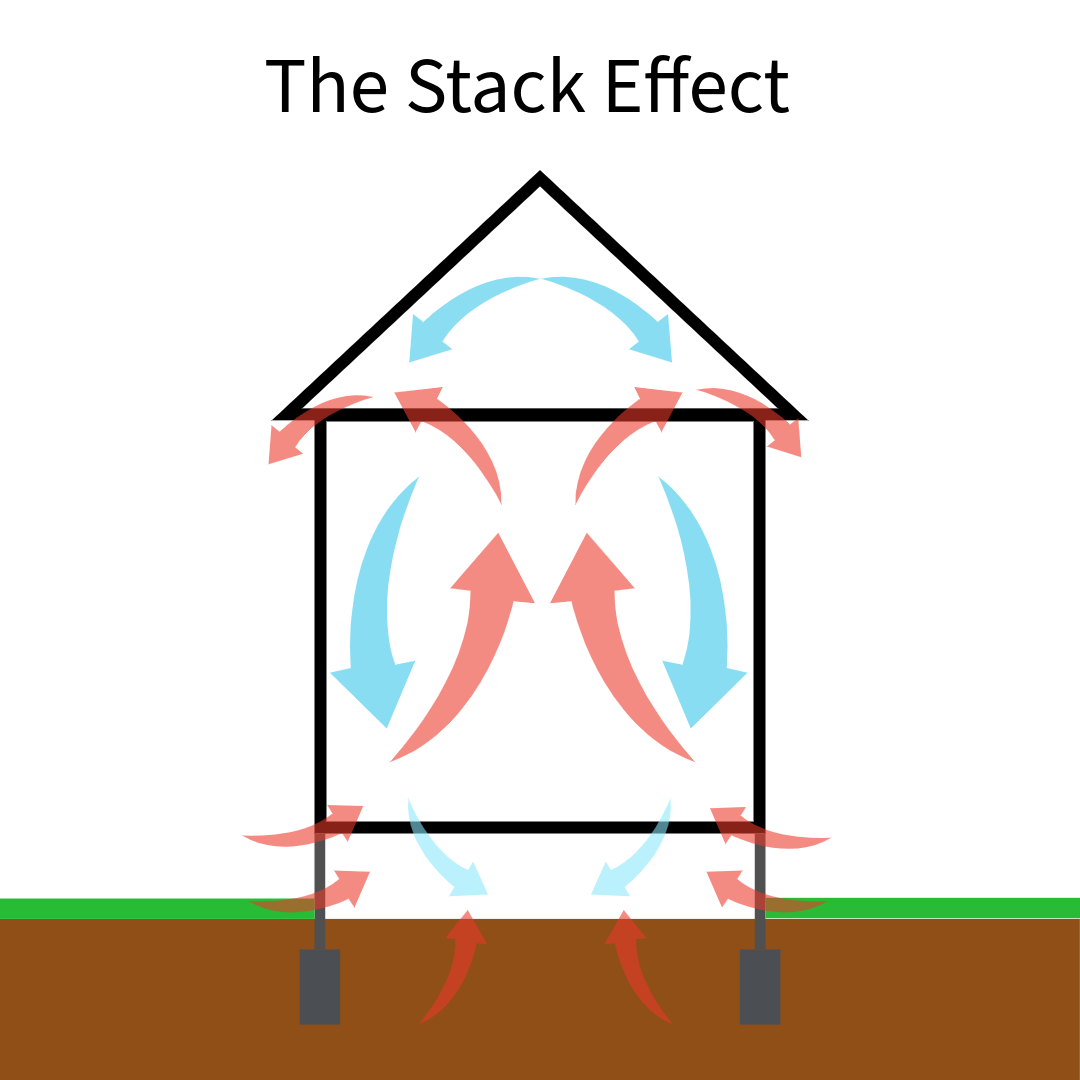
If your insulation is not damaged but you are still having problems with energy efficiency, the ventilation and insulation method for your home may need to be changed. Homes with foundation vents are designed to bring outdoor air into the crawlspace. Warm air rises and cold air falls causing air to move up into the home and out the eaves of the attic. This is called the stack effect or chimney effect. When you have insulation in between the floor joists, this process is somewhat impeded. This can cause air to become stagnant under the home and moisture to build up during humid months. An alternative option is to seal the foundation and install a dehumidifier. In this method, the foundation walls are insulated and the area between the floor joists is left open. In this case, the dehumidifier in the crawlspace and the hvac in the home work in conjunction to clean, dry and condition the air in both the home and the crawlspace. Air is able to move more easily between the two areas and the temperature and humidity in both is controlled. This is referred to as crawlspace encapsulation.