
Why is My Crawlspace Wet Without Plumbing Leaks?
What is Going on Under Here?
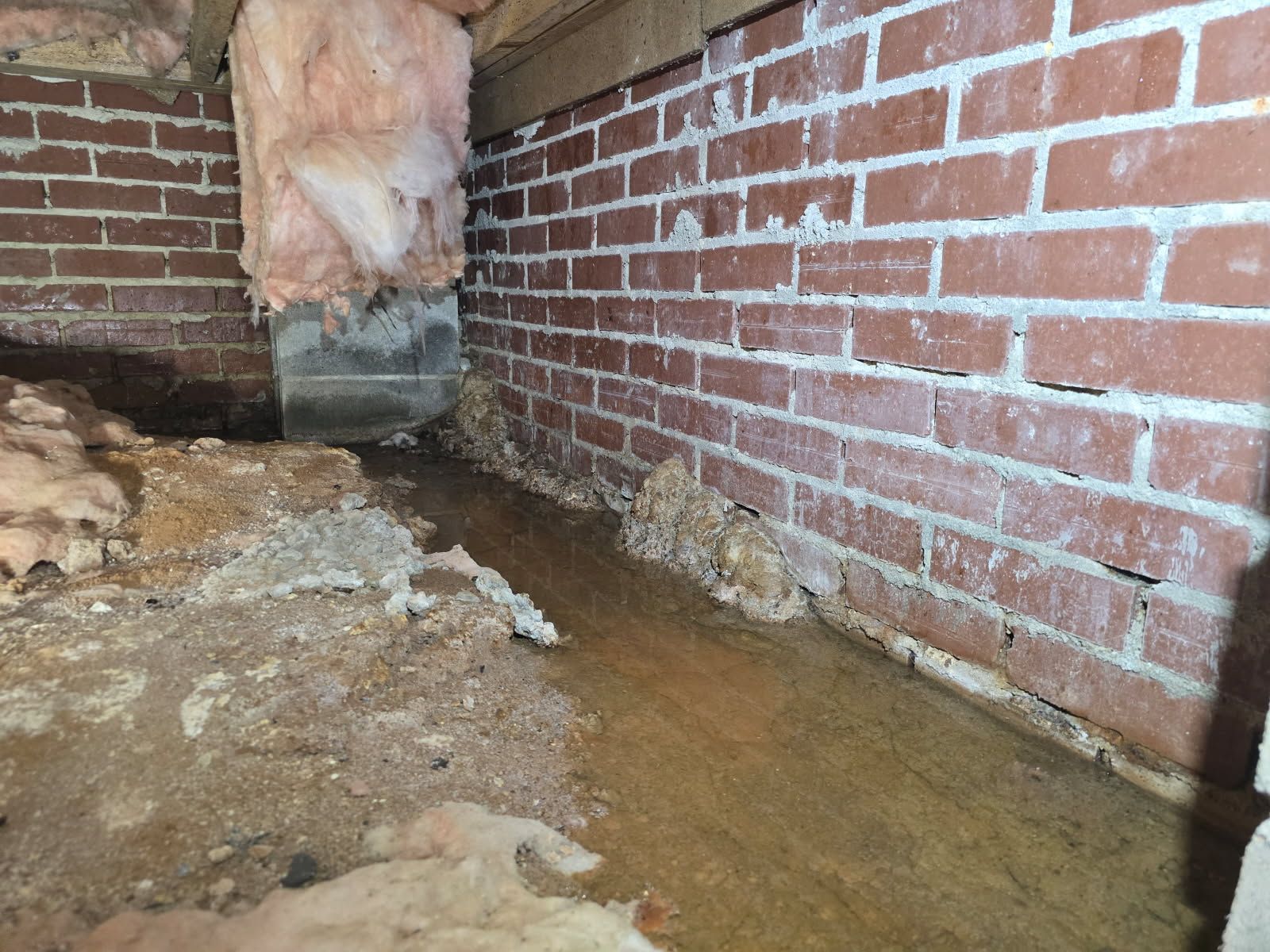
Many times we have received calls from homeowners who either look under their home to find that some surfaces are damp to the touch or have been told by a contractor that their crawlspace is wet. They call a plumber or investigate on their own and find no plumbing leaks. They call their HVAC technician who verifies that their air handler and unit are performing correctly and not leaking. They check their gutters and flashing around decks and can’t find where the water is coming from. If this sounds like your crawlspace, the answer might simply be that the water is coming from the outside air.
How is Air Making Everything Wet?
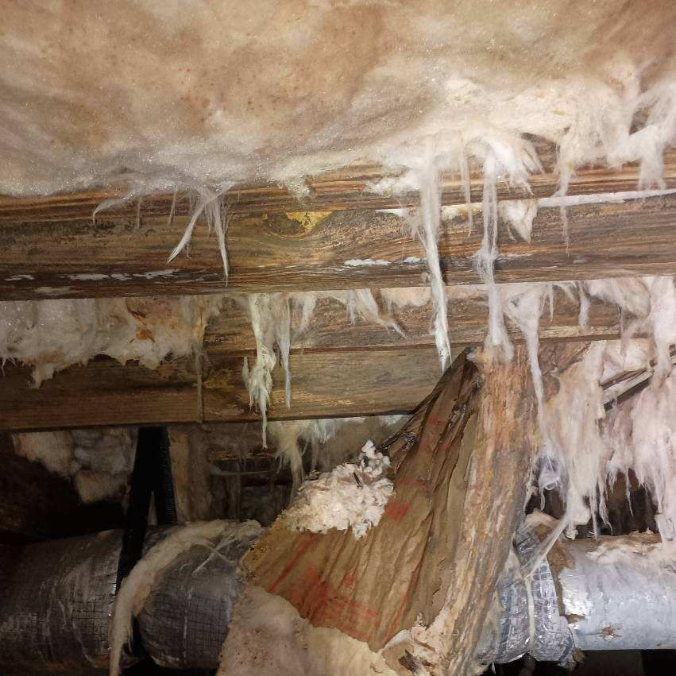
The average humidity in the upstate of South Carolina is 69%. If that is the humidity in the air outside, and your home uses foundation vents, then warm humid air will fill the crawlspace and move upwards into the home by the stack effect. In addition to the humidity outside, warmer temperatures will cause water in the soil of your crawlspace to evaporate. A moisture barrier will slow this evaporation down and a sealed crawlspace even more so, but with open ventilation, you will be depending on the outside air to regulate your crawlspace. Lower crawlspaces or those with fewer vents tend to see issues sooner as the moisture from the ground is trapped under the home. When this warm humid air meets colder surfaces, such as metal flashing, cooler brick or concrete surfaces, or even the floor joists and subfloor that are cooled by your air conditioning above, condensation forms. This can make the floor joists appear wet to the touch.
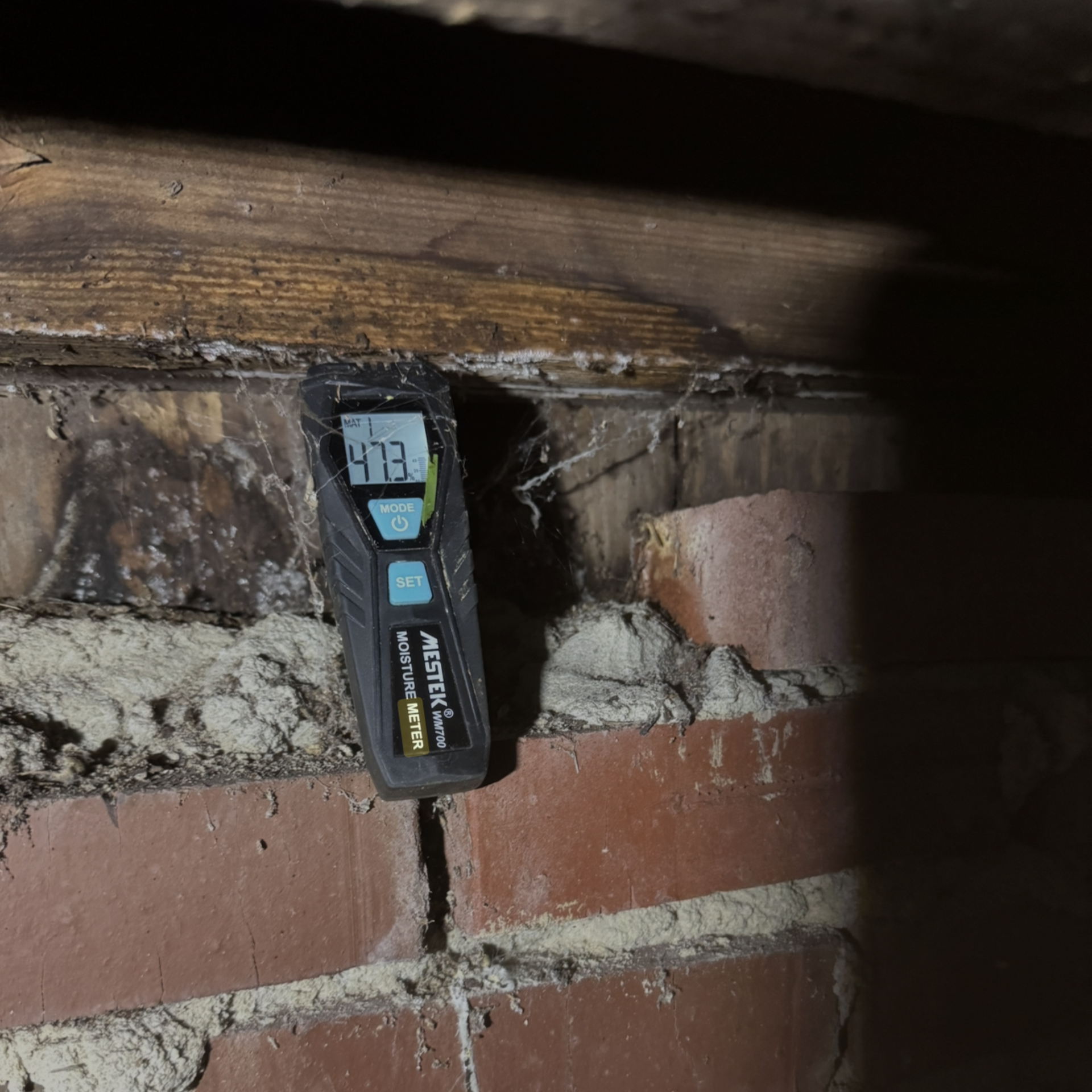
How Water Accumulates In Wood
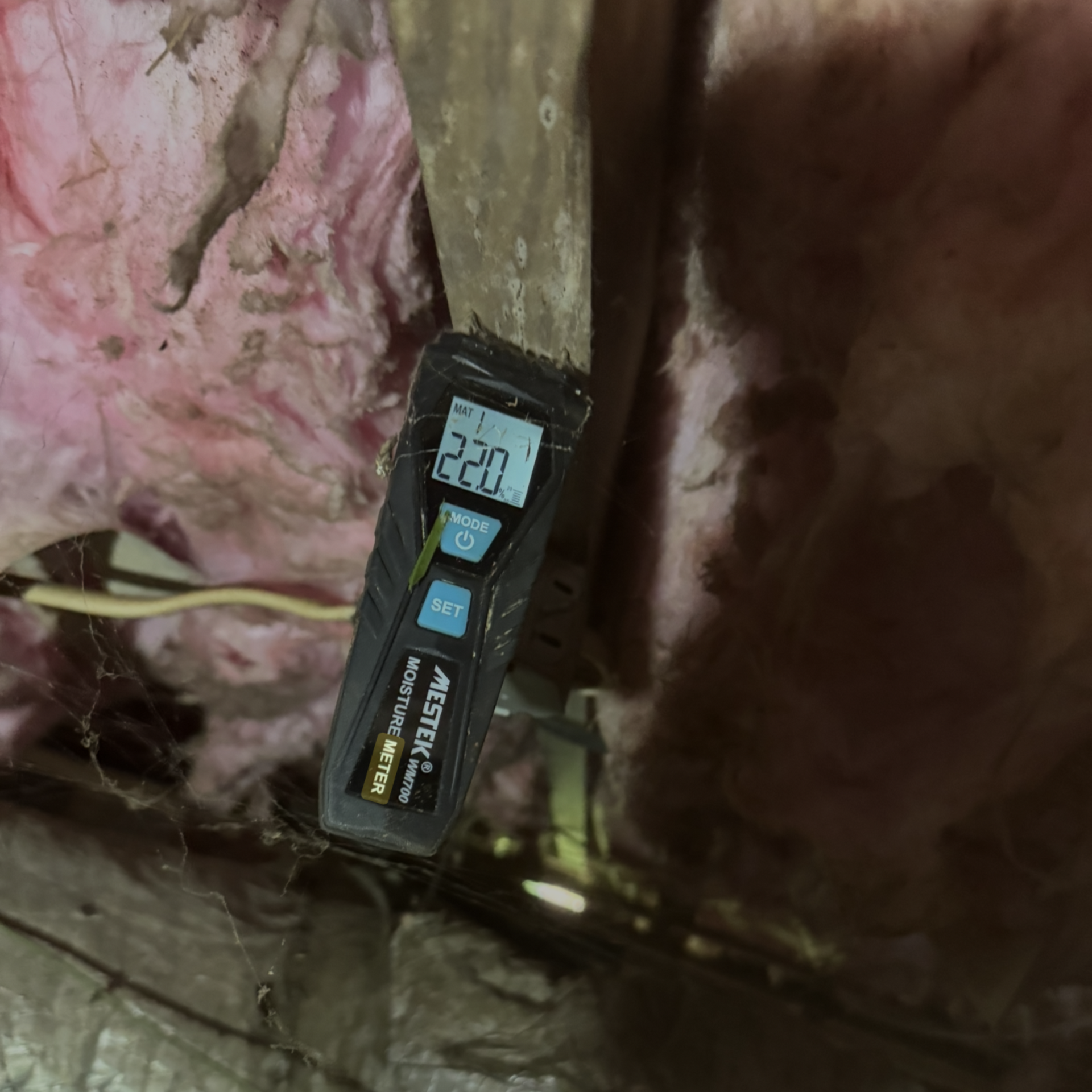
This is not generally a quick process. A new piece of lumber from a building supply store might have a wood moisture content (WMC) of 4 or 5%. Your foundation is built with treated lumber that has had chemicals and preservatives pressed deep into the wood fibers under pressure to deter wood rot and pests. Over time, high humidity, which is just water in the air, penetrates the wood and will slowly begin breaking down this barrier. If you have regular pest treatments, your technician likely checks these readings for you. After a few years that 4 or 5%, may become 6 or 7%. A few years after that it may be 11 or 13%. You may live in your home 20 or more years before the wood moisture content is high enough to start seeing issues. Once your WMC reaches 20%, it is considered excessive moisture and would require dehumidification. This is typically the point where a new moisture barrier by itself is not going to change much. Although improving ground coverage can keep the issue from worsening, it is not going to remove the moisture from the wood. Once the WMC reaches 28%, it is considered active wood rot. In most homes we see, these higher WMC readings are in tight corners or the lower side of the crawlspace. Homeowners often report that the floor feels soft or maybe a little bouncy in these areas. The key to minimizing repair costs is catching the issue before reaching the point of wood rot.
So What’s the Fix?
To solve this problem we have to look at the reason the condensation is forming. Condensation forms when a water vapor reaches its dew point. For a crawlspace in South Carolina’s July heat, the dew point may be 70° or higher. This means that when this moist air reaches a surface that is 70°or cooler, it will produce condensation on that surface. This can cause condensation on your duct lines which are carrying cool air, or on your substruction that is cooled from your air conditioning. If you have ever gone in your crawlspace during the summer and slid underneath a duct line, you will feel this condensation dampening your hair or the back of your shirt.
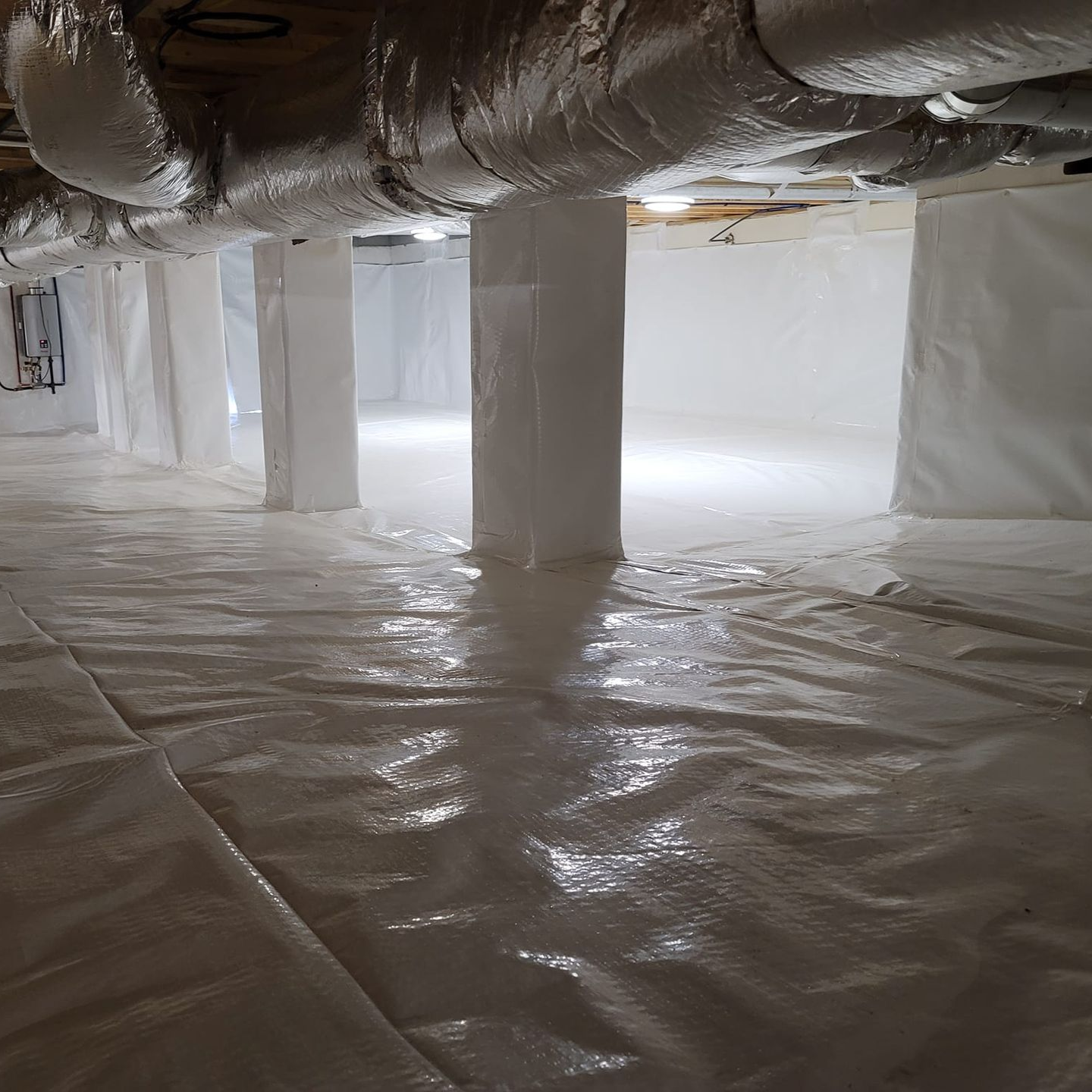
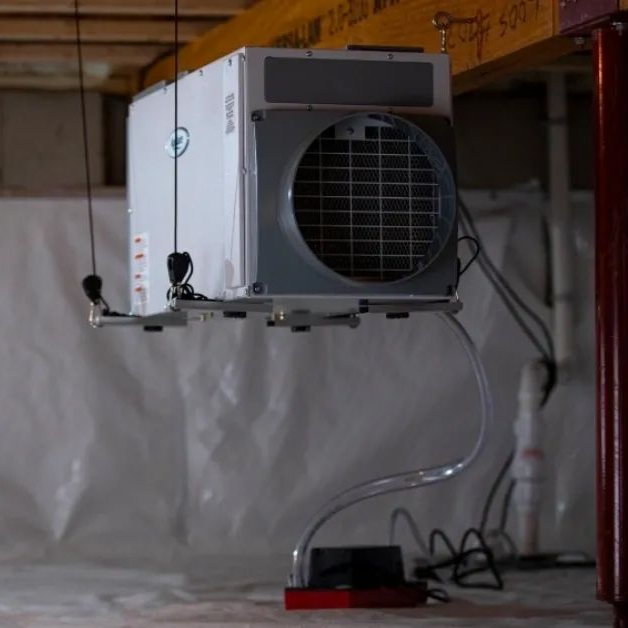
The only way to keep this from happening is by either changing the temperature or the humidity. If we can change the temperature in the crawlspace to more closely reflect the temperature in the home, the humidity would have to be much higher to have the same effect. Similarly, if we can lower the relative humidity, the temperature difference between the air and cooler surface would have to be much greater to have the same effect. Our goal is to both lower the humidity in the crawlspace and get the temperature of the crawlspace very close to the temperature of the home. By doing so, we can prevent condensation from being able to form at all. By sealing and insulating the crawlspace we can control both the temperature and humidity of the area. The tighter the seal and better the insulation, the more efficient the system will be and the less your dehumidifier and HVAC will run. Homeowners with well insulated and sealed crawlspaces can see up to a 20% savings in energy usage, making encapsulation a great long term investment. To speak to an inspector about your crawlspace and determine if encapsulation is the best solution for you,
book a free inspection today.